Very Disappointed’: Trump Issues 10–12 Day Ultimatum for Ukraine Peace Deal Amid Global Tensions
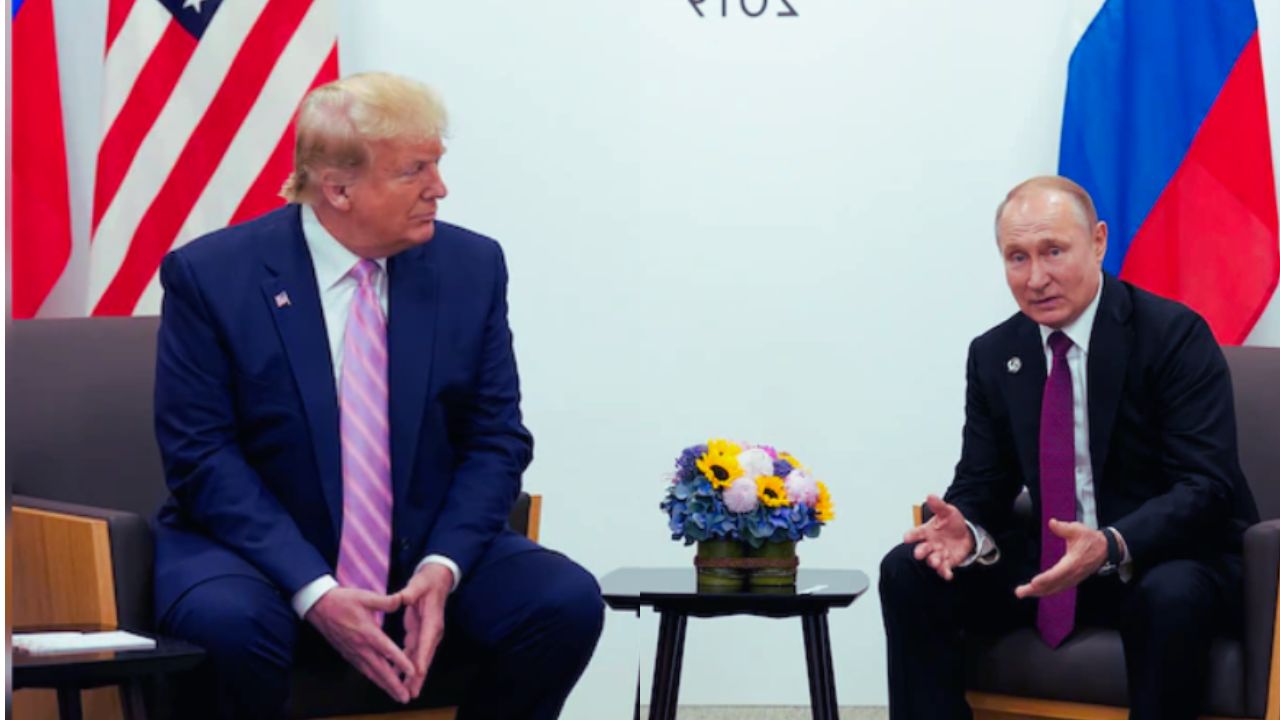
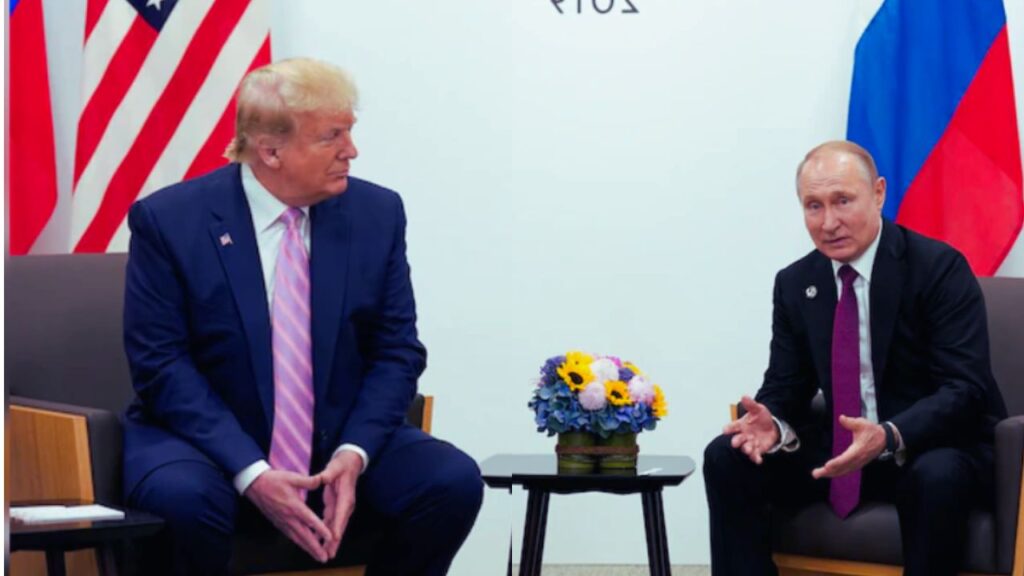
In a dramatic turn of international diplomacy, former U.S. President Donald Trump has issued a stern 10 to 12-day deadline for brokering a peace deal between Russia and Ukraine, signaling his intent to take swift and decisive action should he return to the White House in 2025. His comments, delivered during a recent campaign rally in Pennsylvania, have not only shocked geopolitical observers but also stirred intense debate across diplomatic circles.
Trump, who has long criticized the Biden administration’s handling of the Ukraine-Russia conflict, made it clear that he expects “quick cooperation or consequences.” In his typical unapologetic style, he stated he was “very disappointed” with how the war has been prolonged, adding that the United States must “stop writing blank checks to Ukraine” without results.
Trump’s Statement: The Clock Is Ticking
During his high-octane campaign speech, Trump declared:
“This war should’ve ended long ago. If I were president, it would be over in 24 hours. But I’ll give them 10 to 12 days—just 10 to 12 days—to get this deal done once I take office. Otherwise, we’re pulling out support, and I’ll deal with it myself.”
This ultimatum-style approach, delivered with his signature bravado, indicates that Trump is ready to impose strict diplomatic and financial limits if Ukraine and Russia fail to cooperate. His “deal maker” persona, which defined his presidency, seems to be returning in full force as he campaigns on promises of global stability through pressure and negotiation.
Reactions from Around the World
Trump’s remarks have drawn mixed global reactions:
- Ukraine: Officials close to President Volodymyr Zelenskyy expressed concern over the statement, with sources telling Western media that “Trump’s timeline is unrealistic” and “risks undermining ongoing peace efforts.” There’s a growing worry in Kyiv that Trump’s potential return to office could shift U.S. support away from their cause.
- Russia: While no official statement has been made from the Kremlin, state-backed Russian media welcomed Trump’s stance, viewing it as a potential “opportunity for negotiations on favorable terms.”
- European Union leaders, especially in Germany and Poland, voiced caution. “Peace must not come at the cost of sovereignty,” said an EU Parliament member. “Trump’s style could coerce Ukraine into accepting unfair compromises.”
- United Nations: A spokesperson reiterated that “peace can’t be rushed with artificial deadlines” and urged all global leaders to “support a diplomatic solution based on mutual consent, not ultimatums.”
What Might Trump’s Ukraine Deal Look Like?
Though Trump has not outlined specifics, based on past interviews and his administration’s foreign policy, analysts speculate his version of a peace deal might include:
- Immediate ceasefire enforced by NATO or a joint peacekeeping force.
- Negotiations over contested territories like Donetsk, Luhansk, and Crimea, potentially pressuring Ukraine to make territorial concessions.
- Scaled-back military aid from the U.S. unless Ukraine commits to talks.
- Tougher sanctions on Russia if they violate any agreed framework.
- Energy and trade incentives for Russia in exchange for de-escalation.
Such a deal would likely be controversial, especially in Europe and Ukraine, as it could require significant concessions from Zelenskyy’s government.
Critics Slam the Deadline Approach
Trump’s critics have pounced on the 10–12-day timeline, calling it “diplomatic fantasy” and “recklessly unrealistic.”
- Former U.S. National Security Advisor John Bolton said,
“Trump is treating a deeply complex war like a real estate deal. Wars aren’t settled in a week.” - Senator Lindsey Graham, usually an ally, warned that rushing peace could “hand Russia a propaganda victory.”
- Democratic Party leaders have called Trump’s approach “dangerous posturing” that risks alienating allies and emboldening adversaries.
What It Means for the 2024 U.S. Elections
Trump’s statement is strategically timed as he ramps up his 2024 presidential campaign. By projecting himself as a decisive leader who can restore global order, he is appealing to:
- Conservatives who are tired of U.S. involvement in foreign wars
- Moderate voters who want fiscal restraint on international aid
- Trump loyalists who see him as a strong global negotiator
However, it could also backfire among voters who support Ukraine or fear that Trump’s rhetoric could destabilize NATO alliances and embolden authoritarian regimes.
The Road Ahead: Pressure Builds on All Fronts
If Trump wins the 2024 election, his 10 to 12-day deadline may become a central theme in his foreign policy. But as experts caution, ending a war requires more than deadlines—it demands trust, compromise, and strategic finesse. Whether Trump possesses those tools in a second term remains to be seen.
For now, his words have put pressure not only on Ukraine and Russia but also on the global diplomatic community, which must now brace for a potentially drastic shift in U.S. policy—one that is blunt, fast-paced, and unapologetically transactional.
In the world of geopolitics, clocks don’t usually tick so fast. But if Donald Trump has his way, the countdown to peace may already be underway. READ FILMY, READ SPORTS TREND