Pictures Don’t Do Justice”: Ananya Panday Mesmerised by Taj Mahal — Here’s Your Guide to Capturing the Perfect Shot
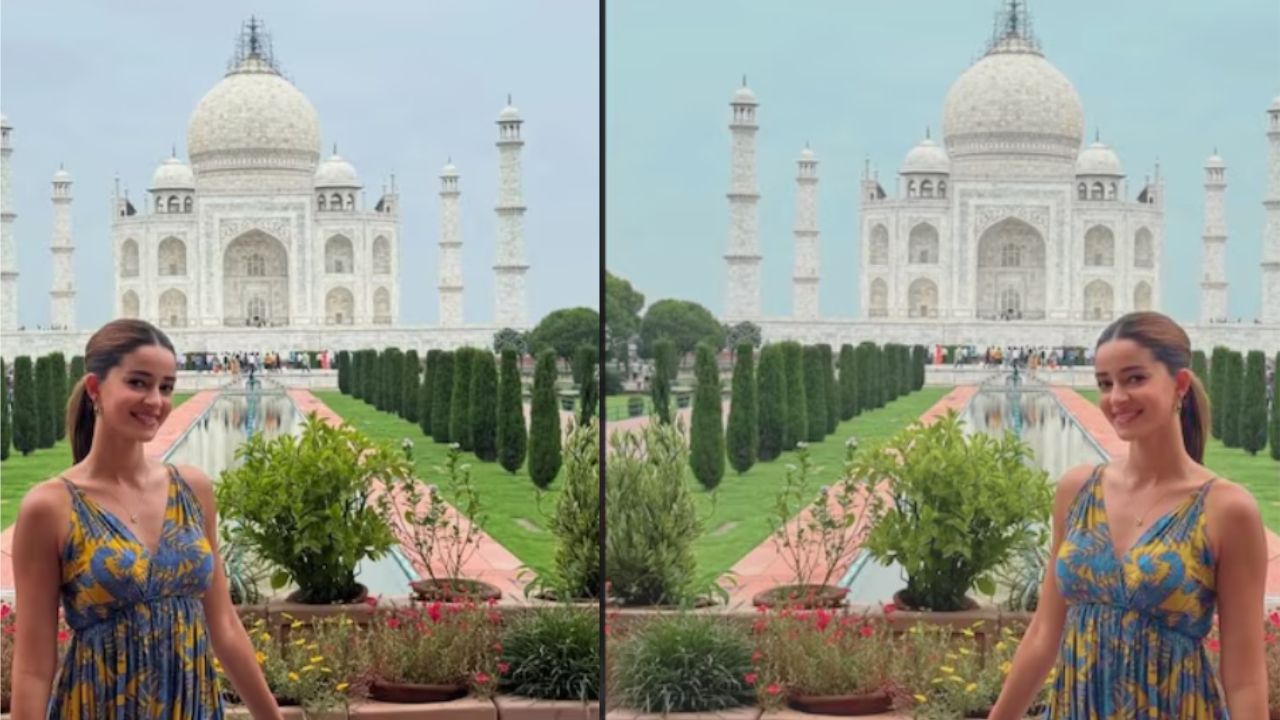
“Pictures don’t do justice!” Bollywood actress Ananya Panday exclaimed on social media, standing in awe before the breathtaking Taj Mahal — a monument that has left millions speechless for centuries. The starlet, who visited India’s most iconic landmark as part of a short cultural getaway, posted stunning snapshots of her visit, but humbly admitted that no lens can truly capture its grandeur.
Her candid confession quickly resonated with fans and travelers across the country, who echoed similar sentiments: while the Taj Mahal is the most photographed monument in India, very few images ever fully capture its ethereal beauty.
So, if you’re planning to follow in Ananya’s footsteps and stand before the marble marvel yourself — here’s your ultimate guide to taking the perfect shot of the Taj Mahal, and making your moment last forever.
Why Ananya Panday’s Reaction Struck a Chord
Clad in a breezy white outfit, Ananya Panday looked effortlessly elegant as she posed against the glowing backdrop of the Taj. In her caption, she wrote:
“Can stare at it forever… Truly, pictures don’t do justice ”
And she’s right — because the Taj Mahal isn’t just a visual; it’s an emotion. The way light dances on the marble at sunrise, the serene symmetry, the faint mist over the Yamuna — it’s a living poetry carved in stone.
Your Guide to the Perfect Taj Mahal Shot
If you’re aiming for that Instagram-worthy image that actually captures the Taj’s magic (or at least comes close), here’s what you need to know:
1. Timing Is Everything: Best Time to Shoot
- Sunrise (5:30 AM – 7:00 AM): The absolute best time. The soft, golden light gently bathes the marble, reducing shadows and crowds.
- Moonlight Viewing: On full moon nights, the Taj glows in silvery hues. You’ll need a special permit, but the photo-op is once-in-a-lifetime.
- Avoid Midday: Harsh light flattens textures, and the crowds are overwhelming.
2. Angle Matters: Top Photography Spots
- Classic Front Shot from Charbagh Gardens: Perfect symmetry, reflecting pool in the foreground.
- Diana Bench (Where Princess Diana Sat): The most iconic portrait spot — yes, the one Ananya posed on.
- Mehtab Bagh (Across the Yamuna): For a peaceful panoramic view with fewer people.
- Side Arches of the Main Gateway: Frame the Taj like a painting using Mughal arches.
- Mosque Viewpoint (Right side of the complex): Capture silhouettes and interesting side angles.
3. Gear and Settings: Go Beyond the Basics
- Use a DSLR or Mirrorless Camera: Wide-angle lens (18–55mm or 24mm prime) for grand shots; zoom (70–200mm) for close-up marble details.
- Smartphones Work Too: Use Pro Mode, adjust exposure manually, and shoot in RAW for editing flexibility.
- Tripod + Timer: For those stunning long exposures or solo traveler selfies.
4. Editing Tips to Bring Out the Taj’s True Beauty
- Keep it Natural: Don’t overdo saturation—Taj Mahal’s beauty lies in its subtlety.
- Increase Contrast Slightly: To bring out marble veins and depth.
- Highlight Warmth: Especially for sunrise or sunset images.
Apps like Lightroom, Snapseed, and VSCO can help polish your pictures without losing authenticity.
5. Avoid These Common Mistakes
- Using Wide Filters: Don’t slap on Instagram filters that distort the natural light.
- Ignoring Background Crowds: Patience pays—wait for that perfect people-free moment.
- Overposing: Sometimes, the best pictures are candid moments of awe (just like Ananya’s!).
Bonus: Pro Tips from Travel Photographers
- Dress in Contrasting Colors: White marble pops beautifully against rich colors like red, mustard, or emerald green.
- Use Reflections: Water puddles, fountains, or the river add a magical touch.
- Tell a Story: Include elements like pigeons, shadows, or even your own silhouette to make the image more personal.
The Emotion Behind the Frame
What makes the Taj Mahal so special isn’t just its visual perfection — it’s the feeling it invokes. The quiet hum of history, the architectural genius, and the eternal love story carved into its walls. And Ananya Panday’s words serve as a humble reminder that sometimes, the experience surpasses what a camera can capture.
But with the right timing, a little patience, and a dash of creativity, you might just snap a photo that does it justice — or at least comes wonderfully close.
So, Ready for Your Own Taj Moment?
Whether you’re a professional photographer or just a curious traveler inspired by Ananya Panday’s journey, remember: the Taj Mahal is more than a backdrop — it’s a moment to feel, not just to frame.