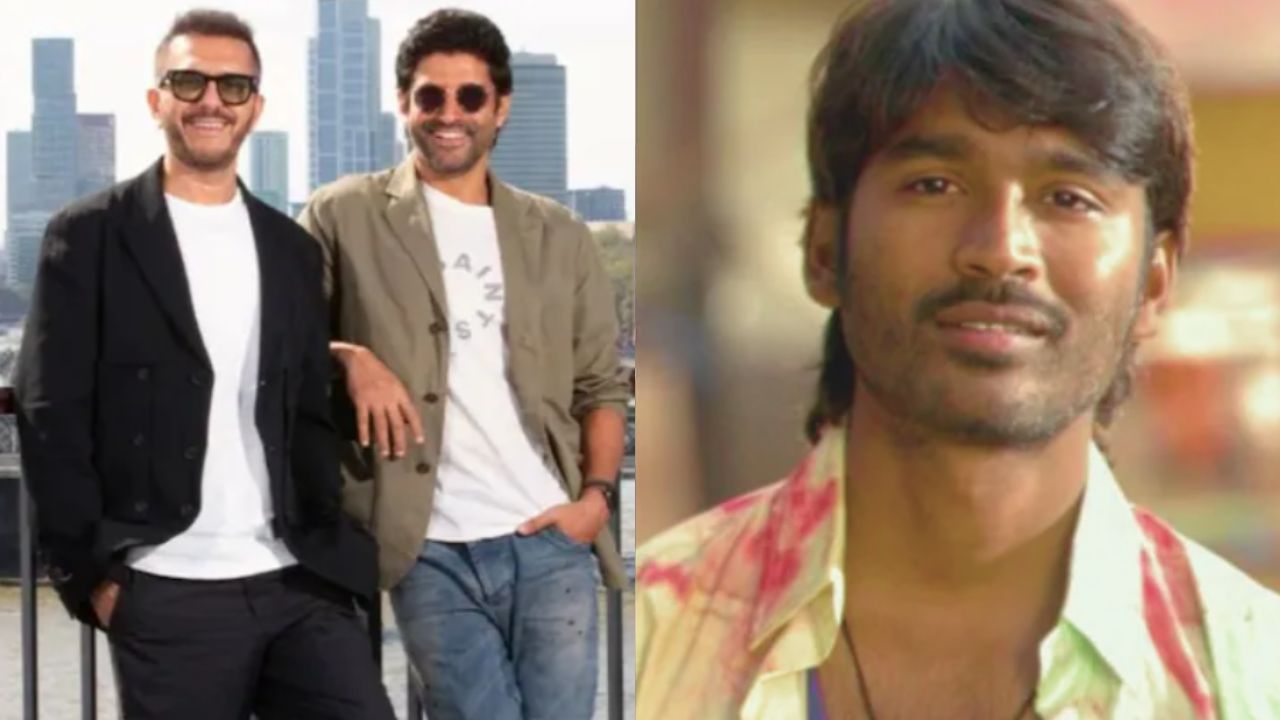
A fresh wave of debate over creative ethics in the age of Artificial Intelligence has engulfed the Indian film industry, and actor-producer Farhan Akhtar is not holding back. Backing Raanjhanaa director Aanand L Rai, Farhan—along with his producing partner Ritesh Sidhwani—has voiced firm disapproval of unauthorized alterations to artistic content using AI, following a controversy that sparked outrage among filmmakers.
The Controversy: AI and Artistic Integrity Clash
The controversy erupted when a modified version of Aanand L Rai’s work surfaced online, allegedly altered using artificial intelligence without his knowledge or permission. Though the specific content and platform were not publicly disclosed, sources claim a clip or sequence from a previous film was changed using AI-generated dialogue and visuals, raising serious concerns about digital manipulation and creative ownership.
While some in the tech community hailed it as an “AI experiment,” the film fraternity saw red. And Farhan Akhtar, known for his outspoken views, stepped in with his support.
Farhan Akhtar Speaks Out: “You Need Consent”
Reacting to the situation, Farhan said in an interview,
“Filmmaking is a collaborative and emotionally personal art form. You can’t just take someone’s work, tweak it with AI, and call it creative liberty. Consent isn’t optional—it’s mandatory.”
The Dil Chahta Hai actor further explained that while technology can enhance cinema, it should not be used to rewrite, reframe, or repurpose original content without the creator’s permission.
Ritesh Sidhwani Adds Legal Weight
Joining the chorus, Excel Entertainment co-founder Ritesh Sidhwani emphasized the legal implications of using AI tools without consent.
“This is a clear violation of intellectual property rights. Changing a film’s narrative, visuals, or dialogues—no matter how small—without informing the original creators is unethical and, more importantly, illegal.”
Sidhwani also hinted that the industry may soon lobby for stronger AI usage regulations in creative sectors, ensuring that no filmmaker’s work is altered or misrepresented in the name of tech-driven innovation.
Aanand L Rai: Staying Silent, Letting Support Speak
Interestingly, Aanand L Rai himself has remained relatively silent, only sharing a cryptic post on social media that read,
“When your story is no longer yours, what do you fight for?”
While he has refrained from naming anyone directly, the message resonated with industry peers, many of whom are rallying behind him.
The Larger Debate: Where Do We Draw the Line with AI?
This incident comes at a time when AI-generated trailers, face swaps, and deepfakes are growing more common in both marketing and fan-made content. While some view this as creative engagement, others warn it muddies the lines between original and synthetic storytelling.
Farhan and Ritesh’s stance echoes the growing sentiment among filmmakers: that AI should assist creativity, not overwrite it.
A Wake-Up Call for the Industry
The incident has prompted several leading filmmakers, screenwriters, and actors to demand clearer guidelines around the use of AI in entertainment. Many have called for the Film Federation of India and OTT platforms to implement protocols that protect creators’ rights against unauthorized alterations.
In Farhan Akhtar’s words,
“You can’t mess with someone’s art. If we allow this today, we destroy the foundation of creative trust tomorrow.”
As AI continues to evolve and embed itself into every facet of content creation, the entertainment world stands at a crucial crossroads. The question is no longer about what AI can do, but rather: What should it be allowed to do?
With influential voices like Farhan Akhtar and Ritesh Sidhwani speaking up, this debate may finally push the industry toward much-needed regulatory frameworks—where art is protected, creators are respected, and technology is responsibly harnessed.